Always Active
Required for security, remembering your privacy choice, and core website features. These cannot be switched off.

The Condition
Shoulder pain is one of the most mismanaged musculoskeletal problems there is.
The shoulder is the most mobile joint in the body, and that mobility comes at the cost of stability. It relies heavily on the rotator cuff, the surrounding musculature, and the thoracic spine to function well. When any part of that system isn’t working properly, pain and restriction follow.
The problem is that shoulder pain is often managed too passively: rest, anti-inflammatories, and the occasional cortisone injection. These approaches can reduce symptoms in the short term but rarely address what’s causing them. Without proper rehabilitation, shoulder problems tend to drag on for months, or keep coming back.
Common shoulder conditions we see:
Symptoms
You might be in the right place if:
Our Approach
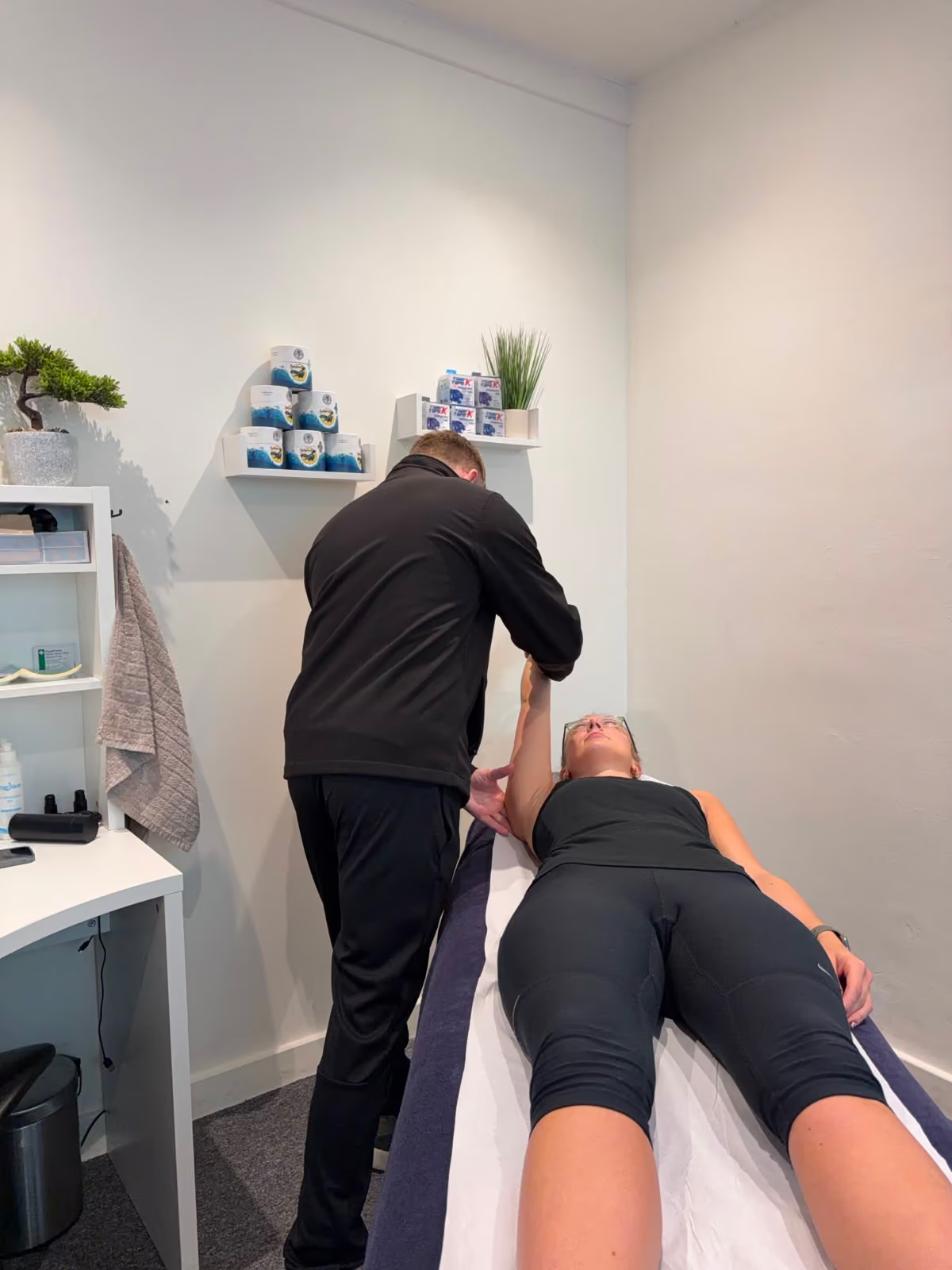
The shoulder doesn’t work in isolation. A thorough assessment looks at the rotator cuff, shoulder blade control, thoracic mobility, and the cervical spine, because neck and upper back dysfunction frequently contributes to shoulder pain and is often missed.
Soft tissue work, joint mobilisation, and manual therapy to reduce pain, restore range of movement, and address restriction in the shoulder capsule, surrounding musculature, and thoracic spine.
Progressive loading of the rotator cuff and the muscles controlling the shoulder blade is the cornerstone of shoulder rehab. Evidence consistently supports structured exercise as the most effective long-term treatment for the majority of shoulder conditions, including tendinopathy and partial tears.
Whether you want to get back to sport, lift overhead in the gym, or simply sleep without pain, sessions are built around what matters to you and progressed accordingly.
What We Treat
Whether it started on the pitch, in the gym or at your desk, we find what’s driving your pain and build a rehab plan around you. Choose a condition to see how we can help.
Pain, tingling or numbness that travels from the lower back through the buttock and down the leg, often worse when sitting or bending.
Find Out More about Sciatica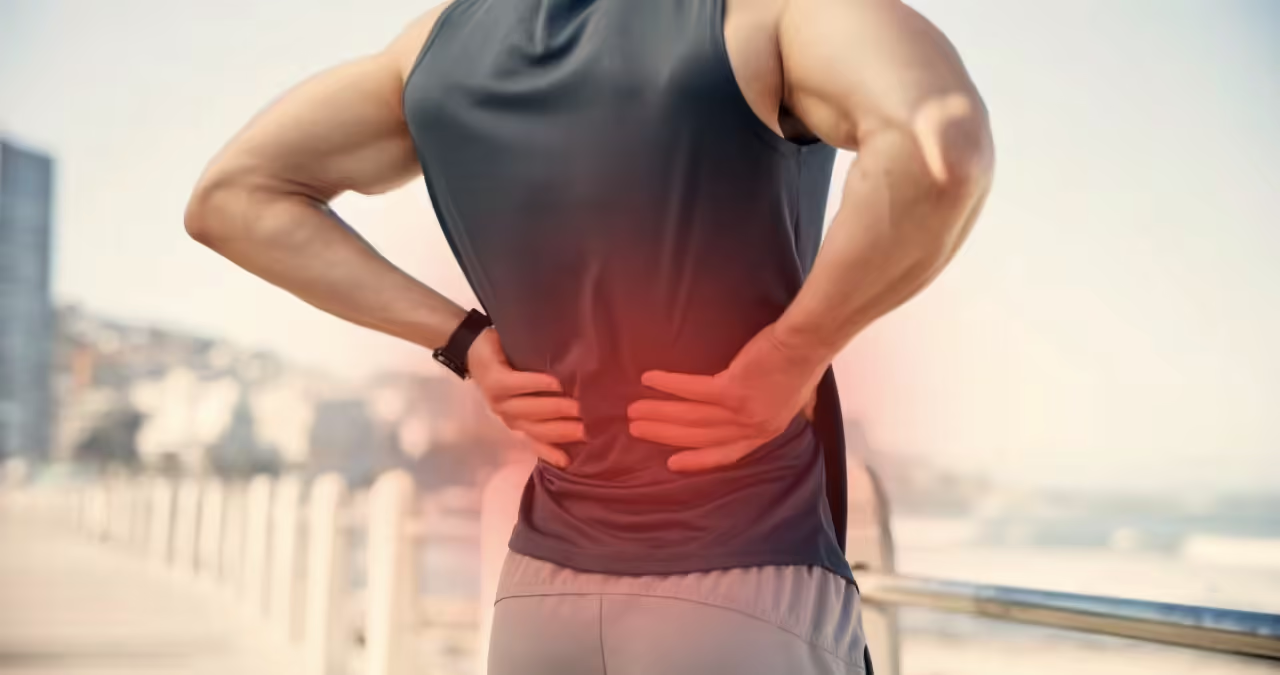
Google Reviews
Rated 5.0 out of 5 from 111 Google reviews.
FAQs
Not usually. The majority of shoulder conditions can be assessed and treated effectively without imaging. A thorough clinical assessment will determine what’s likely going on and whether imaging would add anything useful. If a scan is needed, for example, to confirm a full-thickness tear before discussing surgical options, we’ll discuss that and refer appropriately.
Not necessarily. Research shows that many rotator cuff tears, including partial tears and even some full-thickness tears, respond well to structured conservative rehabilitation. Surgery is not always the best first option and outcomes from rehab are often comparable. A proper assessment will give you a clearer picture of what’s going on and what your options are.
Frozen shoulder is known for being a prolonged condition. It can last anywhere from one to three years if left to resolve on its own. With targeted manual therapy and structured rehabilitation, the recovery timeline can be significantly shortened. Early intervention tends to produce better outcomes.
Night pain is common with rotator cuff conditions and frozen shoulder. It often relates to sustained compression of the tendons or the capsule when lying on the affected side, combined with heightened pain sensitivity. It typically improves as the underlying condition is addressed through treatment and rehab.
Yes. The Body Diagnostic is based at Studio 35, Fairview Park, Victoria Road, Rayleigh, SS6 8EG. One-to-one assessment and treatment with no waiting list.
Get Started
Book an assessment and we’ll find what’s actually driving your shoulder & rotator cuff pain, then build a structured plan to get you moving confidently again.
Book an Appointment (opens in a new tab)Prefer to talk first? Call 07850 474 390
Studio 35, Fairview Park, Victoria Rd, Rayleigh, Essex SS6 8EG (opens Google Maps in a new tab)